
.png)
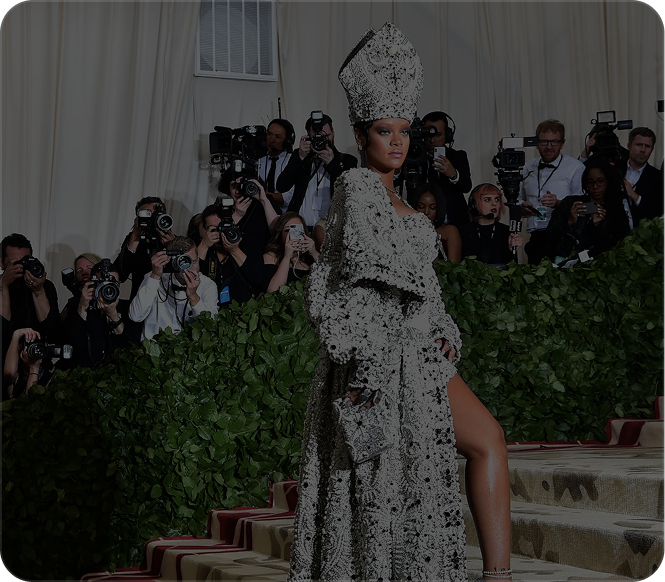
Step 1: Strategic Pre-Planning & Goal Alignment
High-end events are rarely built in the final weeks before launch. They are built through deliberate planning that connects every operational decision to a business outcome.
Tip 1: Start 6-12 Months in Advance
Premium venues, keynote speakers, production partners, and VIP accommodations are often secured months ahead. Starting 6–12 months in advance gives teams greater flexibility, stronger negotiating power, and more time to manage complex logistics without last-minute pressure.
Tip 2: Define Measurable KPIs
Every event should answer one question: "What business outcome are we trying to achieve?" Examples include:
- Qualified leads generated
- Customer retention metrics
- Executive relationship development
- Employee engagement scores
- Media coverage
- Brand awareness
Tip 3: Create a 90-Day Roadmap for Protocol and Authority
Creating a structured 90-day roadmap helps teams align operational workflows before execution begins. This is because premium experiences require more than schedules and logistics. They need:
- Executive protocol planning
- VIP arrival coordination
- Security requirements
- Brand standards
- Stakeholder communications
Read more about modernizing your event planning with live event tech and AI
Step 2: Audience Intelligence & VIP Personas
The best events are built around the audience, not the agenda. Audience intelligence helps every touchpoint feel more relevant, personal, and worth the guest’s time.
.png)
Tip 4: Build Detailed Attendee Personas
The best events are designed around attendees rather than assumptions. A CMO attending a leadership summit expects a different experience than a partner executive or sponsor representative. Create attendee profiles using:
- Industry
- Job title
- Seniority level
- Customer status
- Event goals
Tip 5: Use Pre-Event Surveys
Pre-event surveys help organizers validate assumptions before finalizing content, logistics, and programming. Ask attendees about content preferences, networking goals, session interests, dietary requirements, and travel needs to create a more tailored experience.
Tip 6: Segment Audiences for Personalized Micro-Events
Micro-events continue to gain momentum, with industry research showing growing demand for smaller, more curated experiences. These more targeted settings frequently drive deeper participation and interaction than broader networking events . Examples include:
- Executive dinners
- VIP receptions
- Investor roundtables
- Customer advisory boards
- Leadership breakfasts
Step 3: Financial Precision & ROI
Premium experiences require thoughtful investment. A clear ROI lens helps teams protect the budget while proving business value.
Tip 7: Build a Realistic Budget with Contingency Reserves
Unexpected costs are inevitable, particularly for high-touch experiences involving executives and VIPs. Reserve at least 10-15% of your budget for contingencies such as:
- Additional transportation
- Executive accommodations
- Production adjustments
- Weather-related changes
- Last-minute guest additions
Tip 8: Calculate Projected ROI Before Vendor Selection
ROI planning should begin before contracts are signed. Assess how the event contributes to immediate objectives while also advancing broader long-term business outcomes, such as :
- Pipeline generation
- Customer retention
- Brand visibility
- Sponsorship value
- Revenue impact
Tip 9: Bundle Services When Negotiating Vendors
Consolidating services can significantly improve value. Bundling often reduces complexity while improving accountability. Some examples include:
- AV + staging
- Venue + catering
- Production + lighting
- Transportation + hospitality
Step 4: The High-End Venue & Aesthetic
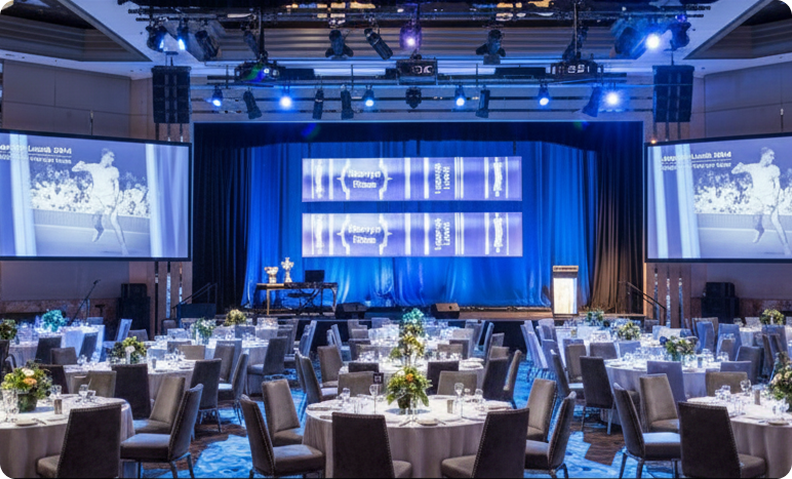
Venue selection is key for successful corporate event setup as it influences perception before attendees engage with a single presentation. The environment should reflect the brand, support the agenda, and improve the guest experience.
Tip 10: Choose Inspiring Environments
The best venues create a break from everyday corporate routines. Prioritize locations that align with your brand, offer memorable surroundings, and elevate the overall attendee experience. Venue selection affects perception long before the first session begins.
Tip 11: Verify Technical Infrastructure Early
Attendees expect conferences to use modern event technology. So, evaluate these before committing to a venue:
- Wi-Fi performance
- Cellular coverage
- AV systems
- Streaming capabilities
- Backup systems
Tip 12: Incorporate Outdoor Experiences
Outdoor environments help reduce fatigue and encourage organic networking. These moments often become some of the most memorable parts of an event. Consider these options:
- Coffee breaks outdoors
- Garden receptions
- Rooftop networking
- Outdoor dining experiences
Step 5: Content Strategy & Thought Leadership
Great corporate events are remembered because of the ideas they inspire, not just the logistics behind them. Strong content gives the experience purpose, authority, and long-term value.
Tip 13: Build a Theme Connected to Your Brand
Strong themes reinforce both positioning and purpose. A leadership summit focused on innovation should feel fundamentally different from a customer conference or investor event. Every session, activation, and visual element should support a consistent narrative.
Tip 14: Diversify the Speaker Lineup
Attendees benefit from hearing multiple perspectives. A diverse lineup encourages richer discussions and stronger engagement. Consider mixing these:
- Internal executives
- Industry analysts
- Customers
- Partners
- Subject matter experts
- Emerging voices
Tip 15: Equip Speakers with Promotional Toolkits
Many speakers have valuable networks that can help amplify attendance. Providing branded graphics, social copy, registration links, and event hashtags makes it easier for them to promote the event while extending reach organically.
Step 6: Technical Implementation & Guest Management
Technology increasingly determines how efficiently an event operates behind the scenes and how guests experience it in real time. The right systems and apps reduce friction across registration, communication, access, and VIP guest management.
.png)
Tip 16: Use a Single Event Management Platform
Operational fragmentation creates unnecessary complexity and inconsistent data. A centralized platform keeps teams aligned across:
- VIP guest management
- Communications
- Seating
- Registration
- Event operations
- Reporting
Explore how VOW’s unified platform helps teams manage guest management, registration, seating, communications, and event operations from one platform.
Tip 17: Incorporate Live Polling and Q&A
Today's attendees want participation, not passive consumption. Live polling and Q&A features increase engagement, improve audience retention, and provide speakers with immediate feedback, turning presentations into conversations.
Tip 18: Deploy a Mobile Guest Experience Platform
Attendees increasingly expect mobile-first experiences, and your event app can make or break their overall experience. Use a well designed platform that supports:
- Real-time updates
- Personalized schedules
- Networking
- Venue maps
- Session information
- VIP guest management
Check out Vow’s Android and iOS app that provides real-time guest updates, networking, schedules, and event information to attendees on the go.
Step 7: Immersive Experiences & Micro-Events
Modern attendees increasingly prioritize quality interactions over packed agendas, with 64% of attendees globally ranking immersive or hands-on experiences as a top priority. This is because immersive moments and micro-events can help brands create deeper, more memorable engagement.
.png)
Tip 19: Treat Networking Like a Headline Session
Building professional and social connections remains one of the main motivations for attending events. Design it with the same intention as your keynote content.
- Curated introductions
- Executive roundtables
- Hosted discussions
- Industry meetups
- VIP networking experiences
Tip 20: Avoid Over-Scheduling
A packed agenda may look impressive on paper, but it often leads to fatigue. Attendees need time to process information, build relationships, explore experiences, and recharge. A balanced schedule typically delivers stronger engagement than an overloaded one.
Tip 21: Create Small Moments of Delight
Luxury experiences are often defined by thoughtful details that reinforce premium positioning. Some examples include:
- Artisan welcome gifts
- Personalized notes
- Local culinary experiences
- VIP amenities
- Curated networking spaces
Step 8: On-Site Agility & Crisis Management
Even the best plans require adaptability. A strong event-day system helps teams respond quickly without disrupting the guest experience.
Tip 22: Conduct Comprehensive Dry Runs
Every critical element should be tested before attendees arrive, including presentations, audio systems, internet connectivity, registration workflows, and mobile applications. Rehearsals help identify issues early and improve confidence on event day.
Tip 23: Maintain an Extra Supply Kit
Small operational issues can quickly become major disruptions if supplies are unavailable. Include these supplies in your emergency kit:
- Batteries
- Chargers
- Adapters
- Backup drives
- Notebooks
- Name badges
- Markers
- Extension cords
Tip 24: Create Formal Contingency Plans
Unexpected issues are inevitable. Planning ahead helps teams respond quickly while maintaining a professional experience. Consider these factors:
- Flight delays
- Weather disruptions
- Speaker cancellations
- Venue issues
- Technology failures
Step 9: Post-Event Engagement & Content Lifecycle
The event may end, but the value should continue. Post-event engagement helps transform attendee insights, shared content, and ongoing interactions into lasting brand value and measurable business impact.
Tip 25: Send Surveys Within 24-48 Hours
Feedback is most accurate immediately after the experience, and the gathered data becomes invaluable for future planning. Ask attendees about:
- Content quality
- Venue experience
- Networking opportunities
- Logistics
- Overall satisfaction
Tip 26: Conduct Internal Debriefs
After the event, bring key stakeholders together to review successes, challenges, guest feedback, and operational lessons. Documenting these insights creates institutional knowledge that improves future events.
Tip 27: Repurpose Event Content
The value of an event shouldn't end when attendees leave. Turn recordings, keynote clips, presentations, and discussions into blog posts, webinars, social content, and reports to extend reach and generate value long after the event concludes.
Explore a complete framework for successful event planning
What Are The Common Corporate Event Planning Mistakes to Avoid?
Even experienced teams can lose impact when small operational gaps compound. Make sure to avoid the below-mentioned common mistakes.
.png)
- Neglecting Post-Event Follow-Up
Without timely follow-up, leads go cold, feedback is lost, and event momentum fades. Treat post-event engagement as part of the event strategy.
- Poor Communication Between Teams and Vendors
Disconnected updates can lead to wrong guest lists, room changes, VIP confusion, and delays. Centralized communication keeps execution aligned.
- Trying to Manage Everything Yourself
Handling registration, vendors, speakers, VIPs, and tech alone creates unnecessary risk. Clear ownership and delegation improve event-day control.
- Treating Networking as an Afterthought
Networking rarely succeeds by accident. Use curated introductions, roundtables, and VIP lounges to make connections intentional.
- Overloading the Agenda
Too many sessions can cause fatigue and reduce engagement. Premium experiences need breathing room for conversation, reflection, and relationship-building.
- Underestimating Technology Requirements
Weak Wi-Fi, AV issues, app failures, or delayed notifications can damage attendee trust. Test every system before event day.
- Failing to Personalize the Guest Experience
Executives, sponsors, speakers, customers, and media all have different needs. Customized agendas, VIP itineraries, and targeted communications create stronger outcomes.
Implement These Corporate Event Planning Tips With Vow
Implementing this framework becomes significantly easier when planning, guest management, communications, seating, registration, check-in, and reporting are connected in one place. That’s where VOW helps.
VOW helps teams manage the entire guest journey from RSVP to post-event follow-up through a single system. The result is greater visibility, less manual coordination, and a more seamless experience for both organizers and attendees.
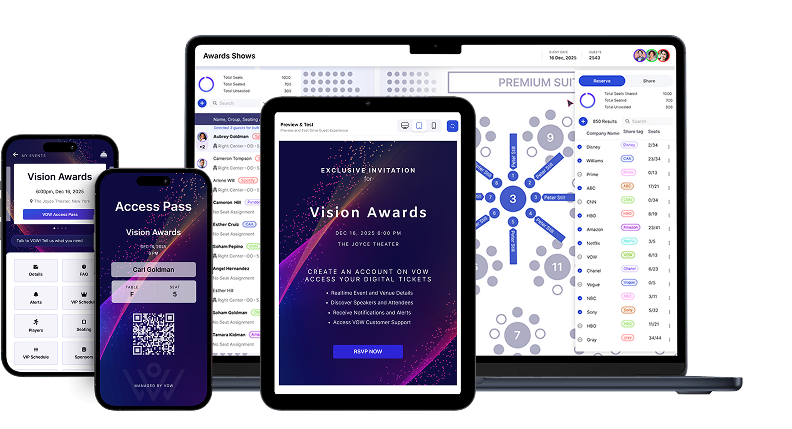
As events become more personalized and operationally complex, platforms like VOW can become a deciding factor in event success.
Implement the tips now with VOW
Final Thoughts
High-end events are rarely the result of larger budgets alone. They are the result of repeatable systems, thoughtful planning, and operational excellence. By applying these 27 corporate event planning tips with a platform like VOW, teams can create experiences that strengthen relationships, support business objectives, and deliver measurable impact long after the event concludes.